

End Filtration Bottlenecks: The Mesh Seal That Changes Lab Workflows
What if cell filtration could finally keep up with modern lab throughput?
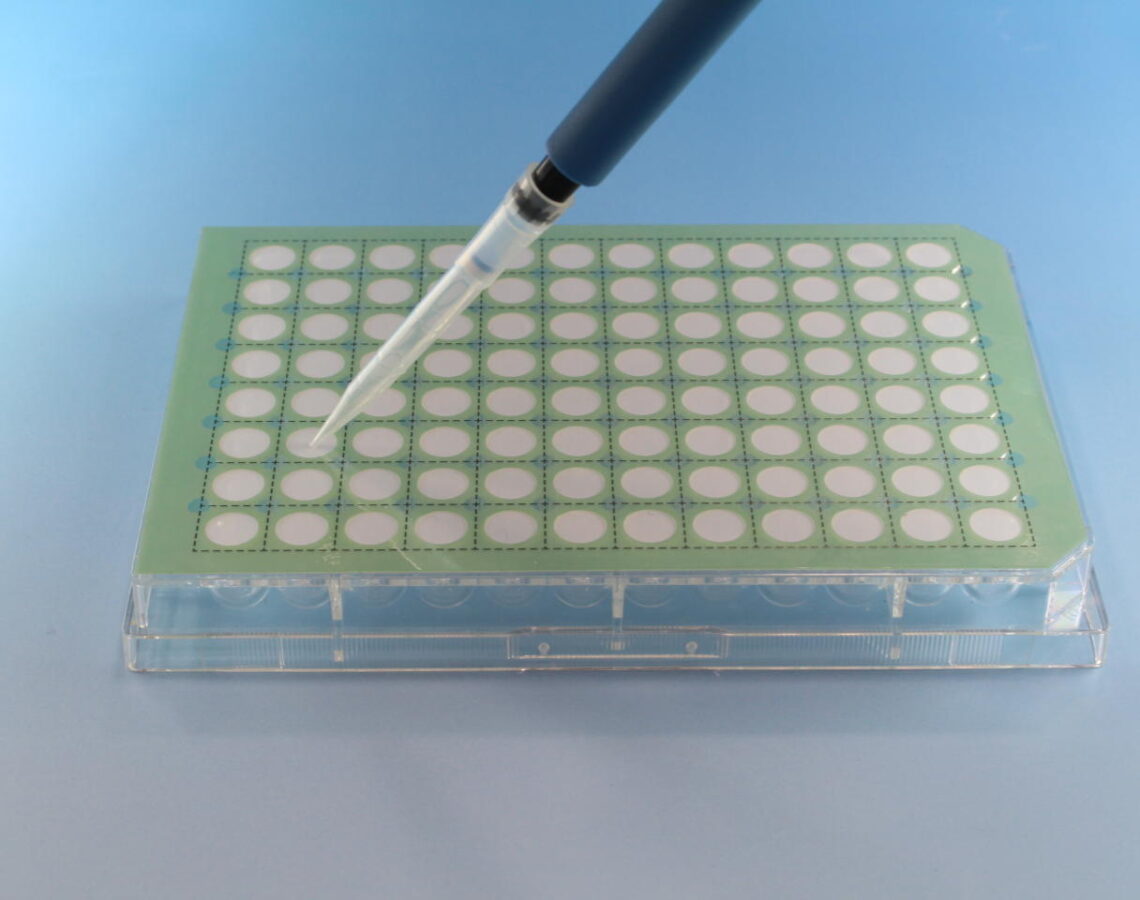
CSCRIE has introduced a microplate mesh seal for 96 well plates that removes one of the biggest bottlenecks in life science workflows.
Traditional filtration methods in a 96-well plates are often slow, repetitive, and costly. Handling individual cell strainers takes time and adds complexity, especially when processing multiple samples.
This new seal type mesh transforms the workflow by enabling direct filtration on a microplate. Instead of working sample by sample, researchers can process multiple wells at once, dramatically improving efficiency.
The operation is simple. Apply the seal and filtrate the sample as with a standard cell strainer.
The mesh is available in uniform pore sizes of 30 μm, 70 μm, and 100 μm, supporting applications such as flow cytometry preparation and cell culture workflows.
By reducing manual steps, lowering cost, and increasing speed, this solution delivers a clear operational advantage.
For laboratories moving toward high throughput processing, this is not just an improvement. It is a fundamental shift in how sample filtration is performed.